DIY vs Professional Pressure Cleaning: Real Cost Factors
Pressure cleaning is one of the most effective ways to restore driveways, patios, roofs, fences and exterior walls. For Toowoomba homeowners, the big question is whether to hire a professional or hire or buy equipment and do it yourself. The answer depends on more than the sticker price. This guide breaks down the real cost factors so you can make a decision that suits your property, your budget and your time.
Understanding the Upfront Costs
At first glance, DIY looks cheaper. A basic electric pressure washer from a hardware store can cost anywhere from $150 to $400, while higher-powered petrol units suitable for tougher jobs often range from $500 to over $1,000. Equipment hire is another option, with daily rates commonly sitting between $60 and $120 depending on the machine.
Professional pressure cleaning is typically quoted per job or per square metre. Rates vary with the surface type, the level of grime, access and the size of the area. Driveways and paths are usually priced differently from roofs, which require safety equipment and specialist technique. Always ask for a written, itemised quote so you know exactly what is included.
The Hidden Costs of DIY Pressure Cleaning
The purchase or hire price is only part of the picture. Several additional expenses can quickly add up when you take on the job yourself.
- Accessories and attachments: Surface cleaners, extension lances, turbo nozzles and extra hoses can add $50 to $300 to your outlay.
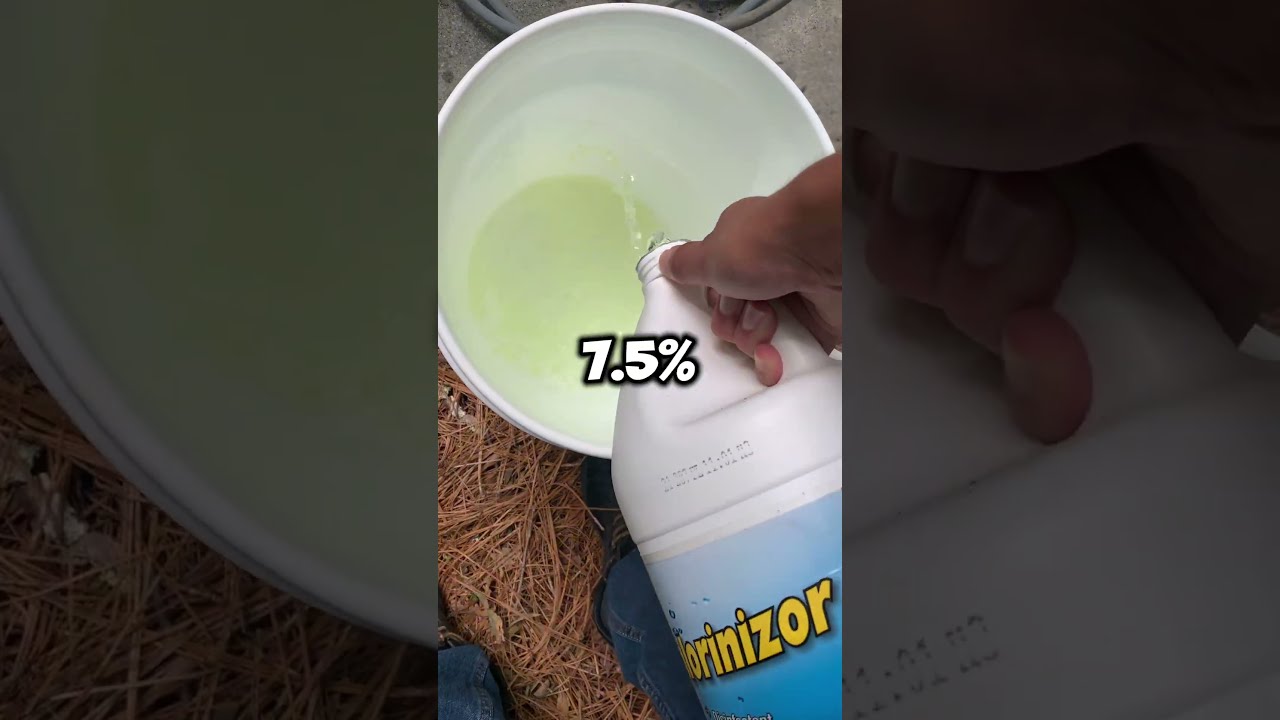
- Detergents and treatments: Sodium hypochlorite, degreasers and mould treatments are often needed for stubborn stains, and they are an ongoing cost.
- Water usage: A pressure washer can use a significant amount of water, which matters during dry spells and when local water restrictions apply.
- Fuel or electricity: Petrol units need fuel and regular servicing, while electric units draw power over long jobs.
- Your time: A large driveway or double-storey home can take a full weekend once you factor in setup, cleaning, rinsing and pack-down.
- Storage and maintenance: If you buy a machine, you need space to store it and the willingness to maintain pumps, seals and hoses.
The Risk Factor: Damage and Repair Costs
The most significant hidden cost of DIY pressure cleaning is accidental damage. Too much pressure or the wrong nozzle can etch concrete, strip sealers, gouge timber, force water behind cladding and loosen mortar between pavers. Soft surfaces such as rendered walls, older roof tiles and decking are particularly vulnerable.
Repairs can easily exceed the cost of a professional clean. Re-sanding timber, replacing damaged tiles or re-sealing pavers may cost hundreds or even thousands of dollars. Professionals match pressure, nozzle type and technique to each surface, which reduces the likelihood of costly mistakes.
Safety Considerations
Safety is a cost that is easy to overlook. High-pressure water can cause serious injuries, and slippery surfaces increase the risk of falls. Roof cleaning is especially hazardous. Falls from roofs are a leading cause of serious home maintenance injuries in Australia, and working at height without proper fall protection is not worth the saving.
Electric machines combined with water also require care, including the use of a residual current device (RCD). Professional operators carry the right safety gear, training and public liability insurance, so if something goes wrong, you are not left to cover the bill.
Toowoomba-Specific Factors
Local conditions influence both the type of cleaning needed and the cost. Toowoomba's cooler climate compared with much of Queensland, combined with shaded gardens and regular seasonal rain, encourages moss, lichen and mould growth on north- and south-facing surfaces, damp paths and roofs. Spring pollen, autumn leaf drop from established street trees and dust from dry periods also contribute to build-up.
Many older Toowoomba homes feature heritage-style materials, aged concrete, painted weatherboard and terracotta or cement roof tiles. These surfaces often need gentler methods such as soft washing rather than high pressure. Professionals understand how to treat these materials safely, which is valuable when preserving the character and value of a home.
Water use is also relevant. Residents should stay informed about current water usage guidelines from Toowoomba Regional Council, particularly during dry conditions. Professional cleaners often use efficient equipment and may be able to manage runoff responsibly, keeping contaminants out of stormwater drains in line with local environmental expectations.
Quality of Results and Longevity
Professional-grade machines deliver higher flow rates and more consistent pressure than most consumer units, which means a more even clean and fewer streaks. Professionals also use commercial-grade treatments that kill mould and algae at the root rather than just blasting away the surface growth. This can extend the time before the area needs cleaning again.

DIY results can be good on small, simple jobs, but streaking, uneven patches and quick regrowth are common when the surface is not treated properly. If you need to redo the job or call a professional to fix it, the DIY saving disappears.

When DIY Makes Sense
Doing it yourself can be a sensible choice in certain situations:
- The area is small, such as a short path, a barbecue area or outdoor furniture.
- The surface is durable and flat, like plain concrete in good condition.
- You already own a suitable machine and know how to use it safely.
- The job is at ground level and does not involve ladders or roofs.
- You have the time and physical ability to complete it without rushing.
When to Hire a Professional
Professional pressure cleaning is usually the better value when the job is large, delicate or high-risk. Roofs, multi-storey walls, heavily stained driveways, sealed pavers, painted surfaces and heritage materials are all better left to trained operators. Professionals are also worth considering if you are preparing a property for sale, repainting, resealing or a rental inspection, where a consistent, high-quality finish matters.
Comparing the True Cost
To compare fairly, add up everything involved in the DIY option: machine purchase or hire, accessories, chemicals, water, fuel, your time valued at a reasonable hourly rate, and a small allowance for the chance of damage. Then compare this with a written professional quote that covers labour, equipment, treatments and clean-up. For small jobs, DIY may come out ahead. For larger or more complex projects, the professional price is often close to, or even lower than, the real cost of doing it yourself.
Tips for Choosing a Pressure Cleaning Professional in Toowoomba
If you decide to hire, take a few steps to protect yourself and get good value:
Request quotes from at least two or three local providers and confirm what each includes. Check that they hold current public liability insurance and ask whether they use soft washing for roofs and delicate surfaces. Look for recent local reviews and examples of https://hectorqngn370.ironwoodscope.com/posts/is-pressure-cleaning-safe-for-solar-panels-and-roofs previous work. Ask about their approach to water runoff and whether they offer follow-up treatments to slow regrowth. Clear communication and a written quote are good signs of a reliable operator.
Final Thoughts
DIY pressure cleaning can save money on small, simple jobs, but the real cost includes equipment, materials, time, safety risk and the potential for damage. Professional services often provide better results, stronger protection for your property and peace of mind, particularly on roofs, delicate materials and large areas. By weighing all the cost factors and considering Toowoomba's climate and local property types, you can choose the approach that delivers the best long-term value for your home in 2026 and beyond.
Toowoomba Pressure Cleaning Pros
(07) 4646 4034